
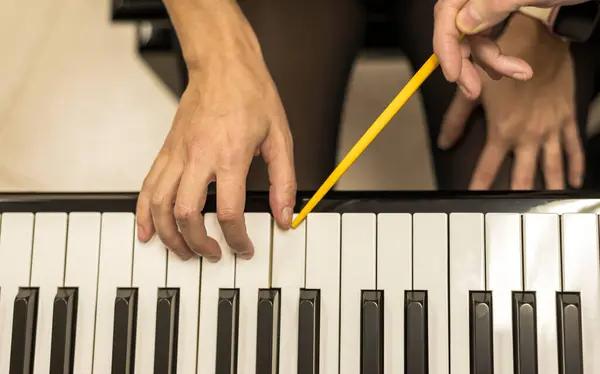

Piano teachers play an indispensable role in nurturing and developing musical talent among students. Their influence extends far beyond imparting technical skills; they are mentors, motivators, and guides who shape the artistic journey of their pupils. The relationship between a piano teacher and a student is foundational to cultivating not only proficiency but also a lifelong appreciation for music.
A primary responsibility of piano teachers is to provide structured learning experiences that cater to the individual needs of each student. This involves designing lesson plans that align with the student’s skill level, interests, and goals. Teachers introduce students to various musical styles and genres, broadening their exposure and helping them discover their unique preferences. By tailoring lessons to suit individual learning paces, teachers ensure that students remain engaged and motivated.
Technical skill development is another critical aspect of piano instruction. Teachers focus on building fundamental skills such as finger strength, dexterity, hand-eye coordination, and sight-reading abilities. Through consistent practice under the guidance of an experienced teacher, students gradually master these essential techniques. Moreover, teachers emphasize the importance of proper posture and hand positioning to prevent injuries and enhance performance quality.
Beyond technical training, piano teachers instill a deep understanding of music theory in their students. They visit our site explain complex concepts such as scales, chords, harmony, rhythm patterns, dynamics interpretation—elements vital for interpreting compositions accurately—and encourage creative expression through improvisation exercises or composing original pieces themselves! This comprehensive approach fosters well-rounded musicianship by enabling learners not only perform written works proficiently but also explore new avenues within this art form independently over time!


