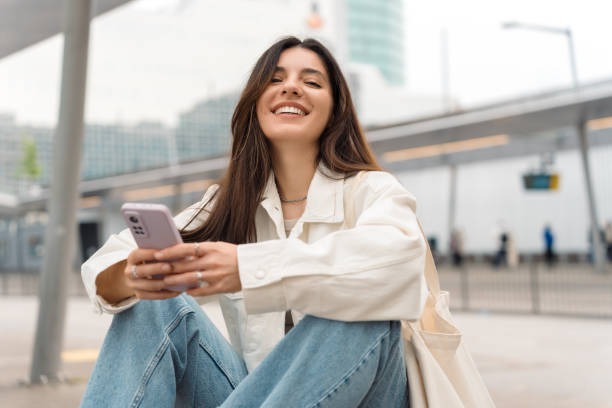

The fashion industry has always been a dynamic and evolving space, shaped by cultural shifts, artistic innovation, and the ever-changing definition of beauty. In recent years, London’s fashion scene has witnessed a significant transformation with the rise of Asian models who bring fresh perspectives and modern appeal to runways, campaigns, and editorials. This development not only reflects broader societal changes but also challenges traditional norms within the industry that have long favored Eurocentric standards.
Asian models in London are contributing to a more inclusive and diverse representation of beauty that resonates with global audiences. As one of the world’s most multicultural cities, London Asian escort agency serves as an ideal platform for showcasing talent from various backgrounds. The presence of Asian models adds richness to this mosaic by highlighting different facial features, body types, and styles that were previously underrepresented or overlooked. Their inclusion disrupts conventional ideas about what constitutes attractiveness in fashion while expanding creative possibilities for designers and photographers alike.
One important aspect of this shift is how Asian models embody both tradition and modernity simultaneously. Many bring elements inspired by their cultural heritage-whether through subtle styling choices or overt references in makeup and clothing-that enrich visual storytelling on set or on stage. At the same time, they embrace contemporary aesthetics aligned with global trends such as minimalism, streetwear influences, or avant-garde experimentation. This fusion creates compelling narratives that appeal to younger generations seeking authenticity alongside innovation.
Moreover, Asian models often serve as bridges between East and West within an increasingly interconnected world economy driven by digital media consumption across continents. Brands targeting markets in Asia recognize the value these individuals hold not just as faces but also as influencers who can communicate effectively with diverse consumer bases through social platforms like Instagram or TikTok. Their ability to engage audiences beyond traditional advertising channels enhances brand visibility while fostering cross-cultural understanding.
The impact goes beyond mere representation; it influences casting decisions across major fashion weeks held in London throughout the year-from menswear shows at Savile Row to womenswear presentations during Fashion Week proper-and extends into commercial work such as catalogues for high-street retailers or luxury labels’ seasonal lookbooks. Casting directors now actively seek out Asian talent because they understand that diversity drives sales growth among younger shoppers who demand inclusivity from brands they support.
This growing demand coincides with efforts from modeling agencies dedicated to nurturing diverse talents by offering specialized training programs tailored toward overcoming barriers unique to non-Western aspirants entering Western markets. These initiatives help aspiring models develop confidence navigating unfamiliar environments while honing skills necessary for success including runway walking techniques adapted for different show formats or posing strategies suited for editorial shoots emphasizing storytelling over mere aesthetics.
In addition to professional development opportunities provided by agencies based in London-which acts as a hub attracting international hopefuls-the city itself offers access to networks connecting emerging faces with established industry figures such as stylists known for pushing boundaries around gender expression or photographers celebrated for their innovative use of lighting techniques capturing nuanced skin tones beautifully on camera.
Asian models are also reshaping perceptions around identity politics within fashion circles where discussions about race have become increasingly prominent following movements addressing systemic inequalities worldwide during recent years. By occupying visible roles traditionally dominated by white counterparts-whether opening shows at major events like London Fashion Week or starring in campaigns fronted globally-they challenge stereotypes perpetuated historically regarding Asians being passive consumers rather than active creators influencing culture directly.