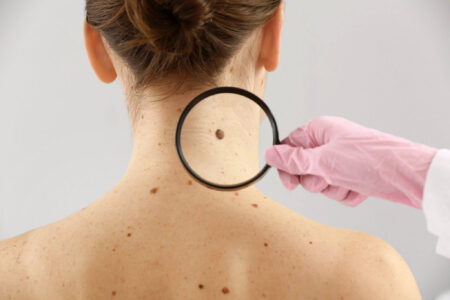

Moles are common skin growths that most people will encounter at some point in their lives. While many moles are harmless, some individuals choose to have them removed for cosmetic reasons or due to concerns about potential malignancy. When considering mole removal, consulting a dermatologist is recommended as they possess the expertise and equipment necessary to safely perform the procedure.
The process of mole removal by a dermatologist typically begins with an initial consultation. During this appointment, the dermatologist will examine the mole in question. They may use a dermatoscope, a specialized instrument that provides an enlarged view of the skin’s surface, allowing for detailed examination of the mole’s characteristics. This step is crucial as it helps determine whether the mole appears benign or if there are any suspicious features that warrant further investigation.
If the dermatologist suspects that a mole could be cancerous, they may recommend performing a biopsy before proceeding with removal. A biopsy involves taking a small sample of tissue from the mole and sending it to a laboratory for analysis. This step ensures accurate diagnosis and informs subsequent treatment decisions.
Once it’s determined safe to proceed with removal, several techniques might be employed depending on factors such as size, location, and Visit MoleRemovalAt type of mole. One common method is surgical excision where after numbing the area with local anesthesia, the dermatologist uses a scalpel to cut out both the mole and some surrounding tissue ensuring complete removal while minimizing scarring risk.